
Who is the best roofing contractor in Highland Park? Look no further than Buford
Your neighbors called us first. Now you know why. GAF Master Elite certified, 20 years in DFW.
Highland Park stands apart. This community was created nearly a century ago as an exclusive neighborhood and has stayed that way. The homes here span from early 1900s estates to mid-century designs to contemporary builds that fit seamlessly into the neighborhood fabric. Owners understand that maintaining a Highland Park home means respecting its architectural heritage while updating the systems that keep it protected.
Buford Roofing & Construction is based in Grapevine and has worked North Texas roofs for over 20 years, including Highland Park properties ranging from National Register historic estates to recently completed custom homes built to current standards. Replacing a roof in Highland Park isn’t just technical work. It requires understanding architectural history, knowing what materials work on period homes, and executing details with the precision that Highland Park’s reputation demands.
What Makes Highland Park Roofing Specific
Highland Park’s architectural guidelines are designed to protect the character of the community and support long-term property values. That means roofing choices are rarely just about materials. Color selections often need to stay within earth tones and neutral shades that fit the natural setting and nearby homes.
Shingle profile matters too, since visible rooflines help define each property’s look. Even vent placement and finish can affect the overall composition of the home. These details are reviewed through an architectural approval process that treats roofing as part of the home’s design and the community’s larger visual standard.
Each architectural era demands different roofing thinking. A Tudor revival from the 1920s needs something different than a mid-century modern estate or a contemporary custom home. Each period called for different materials, profiles, and installation approaches. A contractor unfamiliar with period roof work can compromise either the home’s character or its performance. Highland Park’s reputation depends on getting both right.
Historic preservation in Highland Park means modernizing systems while preserving original intent. Replacing a roof on a 1920s estate uses modern materials that outperform what was originally installed, yet color, profile, and visual character align with the home’s architectural period. That requires research, material knowledge, and design sensitivity.
North Texas weather puts real stress on Highland Park roofs. Summer roof surfaces exceed 150 degrees. Hail comes regularly. Storm wind gusts push 60-plus miles per hour. The challenge is delivering that durability without sacrificing architectural appropriateness. The roof system has to perform at the highest level while looking like it belongs on the home.
Roofing Services for Highland ParkHomes
Roof Repair
When damage stays in one spot, repair accomplishes the work without disruption. A pipe boot that’s failed, flashing separation at a chimney, or wind-damaged shingles in one section, we identify the source, photograph it, and execute the fix with precision, matching the original construction. We flag any other issues we notice so you understand your roof’s full condition.
Roof Replacement
Complete restoration on a Highland Park home treats the work as preservation as much as replacement. We remove the roof down to the decking and assess what’s underneath: soft spots, previous repairs, and moisture damage. We document and correct it all before new materials go down. We select quality materials that meet Highland Park’s architectural guidelines while providing performance and warranty coverage that a property of this significance deserves. Installation follows standards that qualify you for the strongest warranty options. The result preserves the roof as a system while honoring the home’s architectural integrity.
Storm Damage Inspections
Hail and wind damage in North Texas requires careful documentation, particularly on Highland Park properties where appearance matters as much as function. We photograph damage from multiple angles. We explain what it means for your roof’s performance and what insurance coverage might address it. On properties like those in Highland Park, proper documentation preserves both the roof’s function and its visual integrity through the claims process.
Preventive Maintenance
On homes built decades ago, staying ahead of small problems prevents them from becoming large ones. We conduct maintenance inspections that assess sealant around penetrations, examine flashing at transitions, check roof ventilation, and identify debris accumulation. Regular attention extends the remaining roof life and prevents emergency situations that require invasive repairs.
Period Authenticity and Modern Durability
Slate and Tile Alternatives That Honor Historic Homes
Highland Park homes from the early 1900s were often roofed with slate or clay tile. Those materials are beautiful yet expensive to maintain and prohibitively expensive to replace.
Modern slate-look shingles approximate the appearance without the weight, cost, or maintenance requirements. We use GAF slate-look products that capture the historic aesthetic while delivering contemporary performance. The difference in cost is substantial, and the performance difference is equally substantial in Highland Park’s climate.
Wood shake roofs appear on some early homes. Modern wood-look shingles provide the visual warmth of original wood shake without the deterioration, fire risk, and maintenance. Those shingles work well on period homes and qualify for Highland Park’s architectural standards.
Traditional Profiles for Mid-Century and Contemporary Homes
Mid-century homes in Highland Park often featured clean roof lines with minimal visual detail. Those design decisions were intentional, part of the home’s architectural statement. Replacing a mid-century roof means selecting materials that maintain those clean lines rather than adding texture. Three-tab or traditional profiles work better on these homes than dimensional shingles would.
Contemporary Highland Park homes sometimes have distinctive roof profiles that are part of the design. We work with what was originally intended and select materials that respect those intentions.
Color Selection Within Architectural Standards
Highland Park’s review board has established color guidelines. Earth tones dominate. Grays, taupes, weathered browns, and muted greens are typical. Bright colors or bold choices don’t pass review, and for good reason, they disrupt the neighborhood’s cohesive aesthetic. Within those guidelines, there’s room for individual choice. We help you navigate those options and understand how different earth-tone selections affect your home’s appearance, given its specific setting and surrounding landscape.
Installation Standards That Match the Home’s Quality
Premium materials on a Highland Park property deserve premium installation. That means careful attention to flashing details, ridge work that’s visually seamless, vent placement that’s unobtrusive, and overall execution that looks intentional rather than utilitarian. We treat Highland Park roofs with the same architectural sensitivity that the homes themselves demand.
Understanding Highland Park’s Architectural Review Process and Timeline
Highland Park’s architectural review process is one of the most thorough in the Dallas area, and understanding how it works eliminates surprises and delays during your roof replacement. The guidelines are specific, the review board is detail-oriented, and timing matters. Here’s what you need to know.
Before you select materials, you need to understand what the architectural review will approve. This isn’t negotiation; these are established standards. Color is limited to earth tones and neutrals that harmonize with neighboring homes. Shingle profile is evaluated based on whether it fits your home’s architectural period. Vents and flashing visible from the street get scrutinized.
What works on a 1960s ranch doesn’t automatically work on a 1920s estate. We can show you product literature and color samples, but the architectural review board makes the final call.
The review process typically takes two to four weeks from submission to approval. That timeline matters because you can’t schedule installation until approval is in hand. We prepare complete documentation for the review, including product specifications, color samples, and photographs of how the materials look on homes with similar architecture. The more complete our submission, the faster the review typically moves.
Once materials are approved, scheduling installation around the approval date becomes critical. You can’t order materials until approval is granted, and most material suppliers have lead times. We coordinate with GAF to ensure materials are ordered immediately upon approval so they arrive when your installation is scheduled. This prevents the situation where your roof is approved, you’re ready to go, but the materials won’t arrive for three weeks.
During installation, the review board’s standards continue. The crew knows that visible roof details get inspected. Flashing work, ridge cap installation, vent placement and finishing, and color consistency all matter because they’re visible from the street. We execute installation with the understanding that Highland Park properties get noticed and that the work needs to reflect the standards that make Highland Park distinctive.
After installation, we provide documentation for your records. Photos of the completed work, material specifications, warranty paperwork, and GAF registration. That documentation is valuable for your records and for resale conversations later. A properly documented roof replacement on a Highland Park property is a selling point. Poor documentation creates buyer questions.
Highland Park Roofing FAQ
How do I know if a historic home’s roof needs replacement?
Look for curling shingle edges, bald spots where granules wore off, or an uneven roofline. Go into your attic after heavy rain and look for wood staining, moisture on decking, or musty smells. Historic homes often have complex rooflines with multiple planes, so the condition varies slope to slope. An inspection with photographs documents the condition precisely.
Can you help with the Highland Park architectural review process?
Yes. We understand what documentation the review requires. We provide product specifications, color samples, and material literature in the format your review expects. We’ve worked with Highland Park’s architectural standards enough to know what typically gets approved and what needs additional consideration.
What materials look right on a 1920s home?
Modern materials that approximate original materials perform best. A slate-look shingle delivers the home’s visual character while providing modern durability and warranty coverage. The key is choosing something that respects the home’s original architectural intent instead of trying to replicate period materials that had significant limitations.
How do I maintain the roof between replacements?
Gutter cleaning twice a year removes debris that collects and holds moisture. Trimming overhanging branches prevents damage and allows faster drying. A maintenance inspection every two to three years catches small failures before they become big problems. These steps extend your roof’s life considerably.
What’s the cost difference between basic replacement and preserving character?
Less than you’d expect. Choosing materials that work with the home’s architecture doesn’t cost more than choosing mismatched materials. Quality installation respecting architectural detail costs more than rushed work. On a Highland Park property, that quality investment is worth it.
How long does replacement take on a complex roofline?
Most take two to four days, depending on roof size, complexity, and architectural detail. Steeper pitches, multiple ridges and valleys, and complex transitions take more time. We provide realistic timing once we’ve evaluated your specific roof.
Do you handle skylights, chimneys, and other penetrations?
Yes. Those details get replaced or rebuilt as part of the complete roof system. Chimneys and skylights are where leaks typically start, so flashing around those penetrations receives careful attention. We address all ventilation, pipe boots, and other penetrations needing updates during replacement.
Recent roofing projects in Highland Park
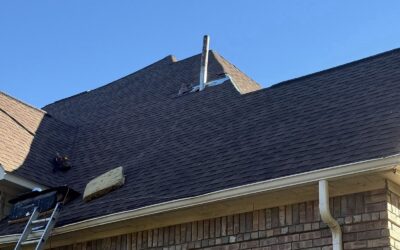
Southlake neighborhood check-in on 11/03/2025
Powered by GeoUP Roof repairs completed on this beautiful home in Southlake, TX. Client was concerned about damage from fallen tree limbs that even dented their gutters. We got an estimate to them the very next day and had the job completed quickly!...
Get a Free Quote
Ready to get started? Call us at (817) 329-7663 or request a free inspection online. We serve Fort Worth, Highland Park, Flower Mound, University Park, and communities throughout the Dallas-Fort Worth Metroplex.


OTHER SERVICES
Commercial Roofing
Roof Replacement
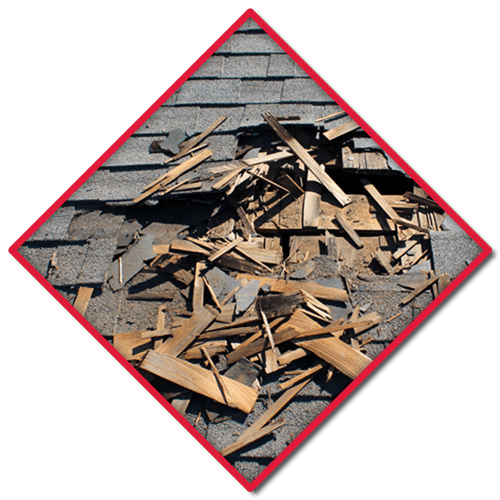
Roof Repair & Restoration
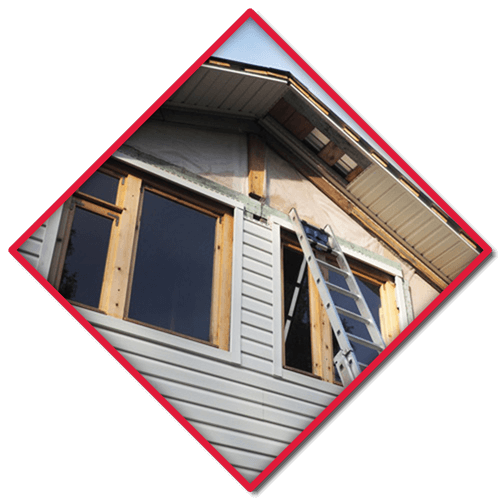
Siding Repair
You’ve Tried the Rest, Now Hire the Best
Buford Roofing & Construction is the preferred residential roofing company of choice for residents living in Ft. Worth, Southlake, Plano, Frisco, Colleyville and the Dallas area. Experience firsthand the quality and caliber of roofing and general contracting services we offer.
Call us today at (817) 329-7663 or use our convenient online request form. We offer free quotes upon request.